1
Define
Set the website’s purpose, outline 5–7 pages, and decide what each page should help a visitor accomplish. Keep the scope small and the message clear.
AIdraft is a clear, practical guide to building small, professional websites with AI. Work through a repeatable process, use adaptable patterns, and move confidently from ideas to well-crafted pages.
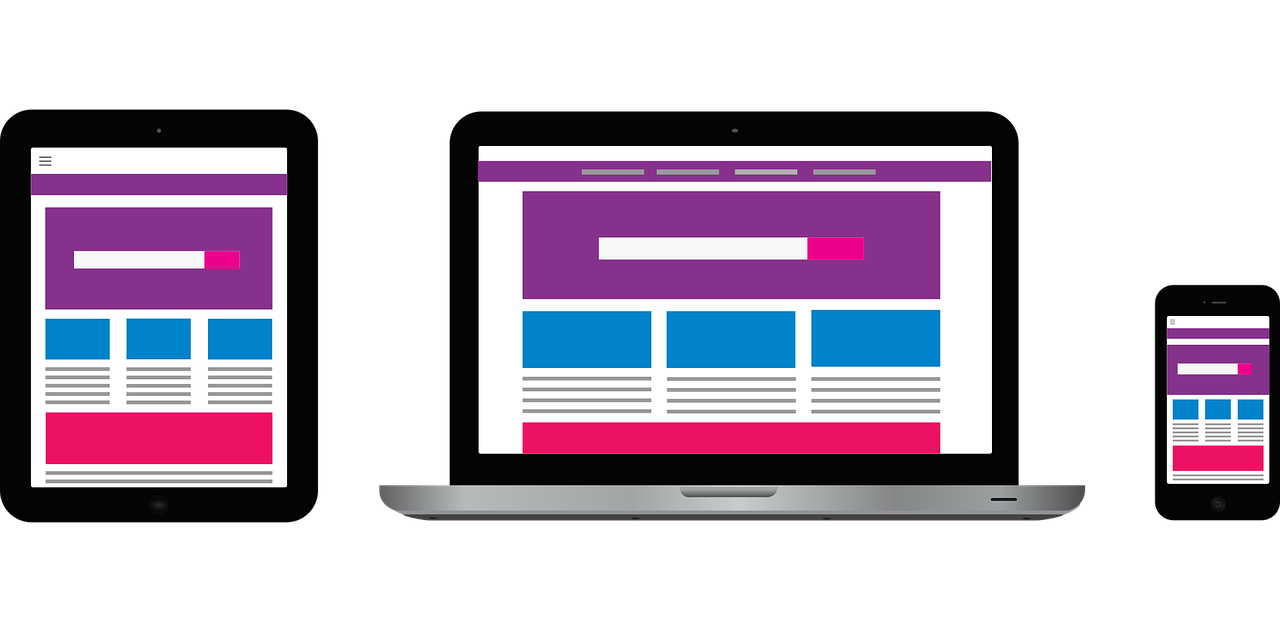
Small websites succeed when they are focused, consistent, and easy to navigate. AIdraft shows how to define a minimal scope, outline each page, and use AI to assist without overcomplicating the result. You will learn how to turn prompts into structured content and how to translate that content into semantic HTML.
The guides emphasize a shared design system so every page feels related. You will set brand colors, spacing, and typography once, then reuse those tokens throughout your CSS. This keeps the interface cohesive while making changes simple and predictable.
Each topic is presented with practical language and incremental steps. Rather than building complex apps, you will assemble lightweight, static pages that load quickly and read well on any device. The approach favors clarity, intent, and craftsmanship.
Set the website’s purpose, outline 5–7 pages, and decide what each page should help a visitor accomplish. Keep the scope small and the message clear.
Draft structured prompts that request specific sections, headings, and tones. Guide the model toward clean, informative content tailored to each page.
Choose a palette derived from your logo, set tokens for color and spacing, and craft a typographic scale that reads comfortably across devices.
Translate content into semantic HTML, apply shared CSS utilities, and add light JavaScript for navigation and simple interactions only where needed.
Check hierarchy, contrast, and rhythm. Simplify wording, ensure accessibility basics, and keep the interface honest, fast, and consistent.
Create a focused hero, introduce the value in a few paragraphs, and add supportive sections that lead visitors to the next clear step.
Learn the layoutDesign a clean header with concise labels, a responsive menu, and consistent placement so visitors always know where they are.
Design the headerUse a compact type scale, balanced line lengths, and generous spacing tokens to produce calm, readable pages across breakpoints.
Set the typeChoose imagery carefully, compress assets, and rely on CSS for many visual details to keep pages crisp without heavy dependencies.
Optimize visualsWork with a minimal set of tools: semantic HTML, a single shared stylesheet, and a single JavaScript file for essential interactions. Use AI for drafting and refining text, exploring layout options, and generating variants that you evaluate critically.
As you build, keep a checklist for consistency: headings per page, descriptive links, accessible alt text, and clear section hierarchy. Refine iteratively so each change improves clarity rather than adding complexity.
The result is a website that feels considered and trustworthy, with a visual voice derived from the logo and a structure that respects visitors’ time.